Don't Let Winter Win: A Homeowner's Guide to Preventing Ice Dams and Roof Damage
There’s nothing quite like a fresh blanket of snow covering the landscape in Coshocton. It’s beautiful and peaceful, but for homeowners, that heavy snow can hide a serious threat to your roof: ice dams. These thick ridges of ice at the edge of your roof might look like a normal part of an Ohio winter, but they can cause significant and costly damage, from torn gutters to leaks that stain your ceilings. Many homeowners face the stress and financial burden of unexpected winter roof repairs, often because the true cause of the problem was misunderstood.
At RamZ Roofing, we believe in empowering homeowners with the knowledge to protect their biggest investment. This guide will walk you through what causes ice dams, the damage they can inflict, and most importantly, the proactive steps you can take to prevent them from ever forming. A little preparation now can save you a major headache later.
What Exactly is an Ice Dam, and Why is it So Destructive?
An ice dam is a buildup of ice along the eaves of a roof. It forms when heat from inside your home escapes into the attic and warms the underside of the roof deck. This causes the snow on the roof to melt. The resulting water runs down the roof until it reaches the cold edge (the eaves), where it refreezes. This process repeats, creating a “dam” of ice.
Once the dam is formed, any further melting snow has nowhere to go. The water pools behind the ice and is forced back up under your shingles, where it can wreak havoc. The consequences can be severe:
- Water Intrusion: This is the most significant risk. Water can leak into your attic, soaking insulation and damaging the roof deck, rafters, and even the drywall on your ceilings and walls.
- Gutter Damage: The sheer weight of the ice can bend, warp, or even tear gutters and downspouts completely off your home.
- Shingle Damage: The freeze-thaw cycle can lift and crack shingles, compromising the integrity of your entire roofing system.
- Mold and Mildew: Trapped moisture in your attic and walls creates the perfect breeding ground for mold and mildew, which can lead to poor indoor air quality and health issues.
The Real Culprits: Unmasking the Root Cause of Ice Dams
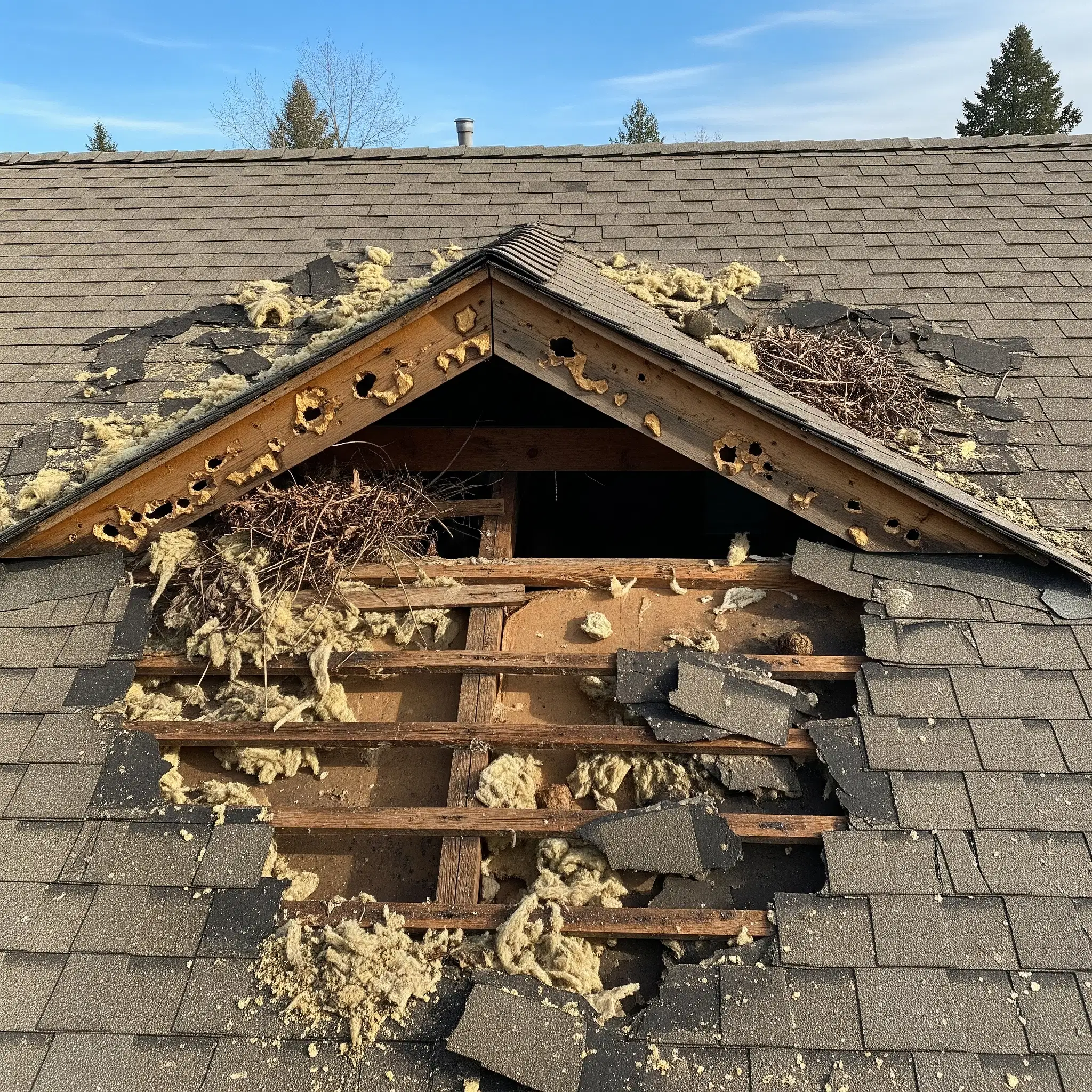
A common misconception is that gutters are to blame for ice dams. While clogged gutters can certainly make the problem worse, they aren't the root cause. The formation of ice dams is almost always a symptom of a larger issue inside your home related to heat loss and air movement.
There are two primary factors at play:
-
Inadequate Attic Insulation: Your attic floor should act as a thermal barrier, keeping the warm, conditioned air from your living space from rising into the attic. When insulation is old, compressed, or insufficient, heat easily escapes. This warms the roof deck from below, starting the snow-melting process that leads to ice dams. Upgrading to a modern solution like blown-in insulation is one of the most effective ways to stop this heat transfer.
-
Poor Attic Ventilation: A well-ventilated attic allows cold outdoor air to circulate, keeping the attic temperature close to the outside temperature. This prevents the roof deck from warming up. A balanced system of intake vents (at the soffits or eaves) and exhaust vents (at the ridge) is crucial. If this airflow is blocked or insufficient, warm air gets trapped, and the conditions become perfect for ice dams.
A Proactive Plan for Winterizing Your Roof
Preventing ice dams is far easier and more affordable than dealing with the aftermath. By taking a few key steps before the first heavy snowfall, you can ensure your home is ready for whatever winter throws at it. This process of winterizing the roof is essential for protecting your home's structure and value.
- Schedule a Professional Roof Inspection: The first step is to understand the current condition of your roof. A professional roof inspection can identify potential vulnerabilities, assess your insulation levels, and check for proper ventilation before they become major problems.
- Seal Air Leaks: Before adding insulation, it's important to seal any air leaks from your living space into the attic. Gaps around light fixtures, plumbing vents, and attic hatches are common culprits that allow warm air to bypass your insulation.
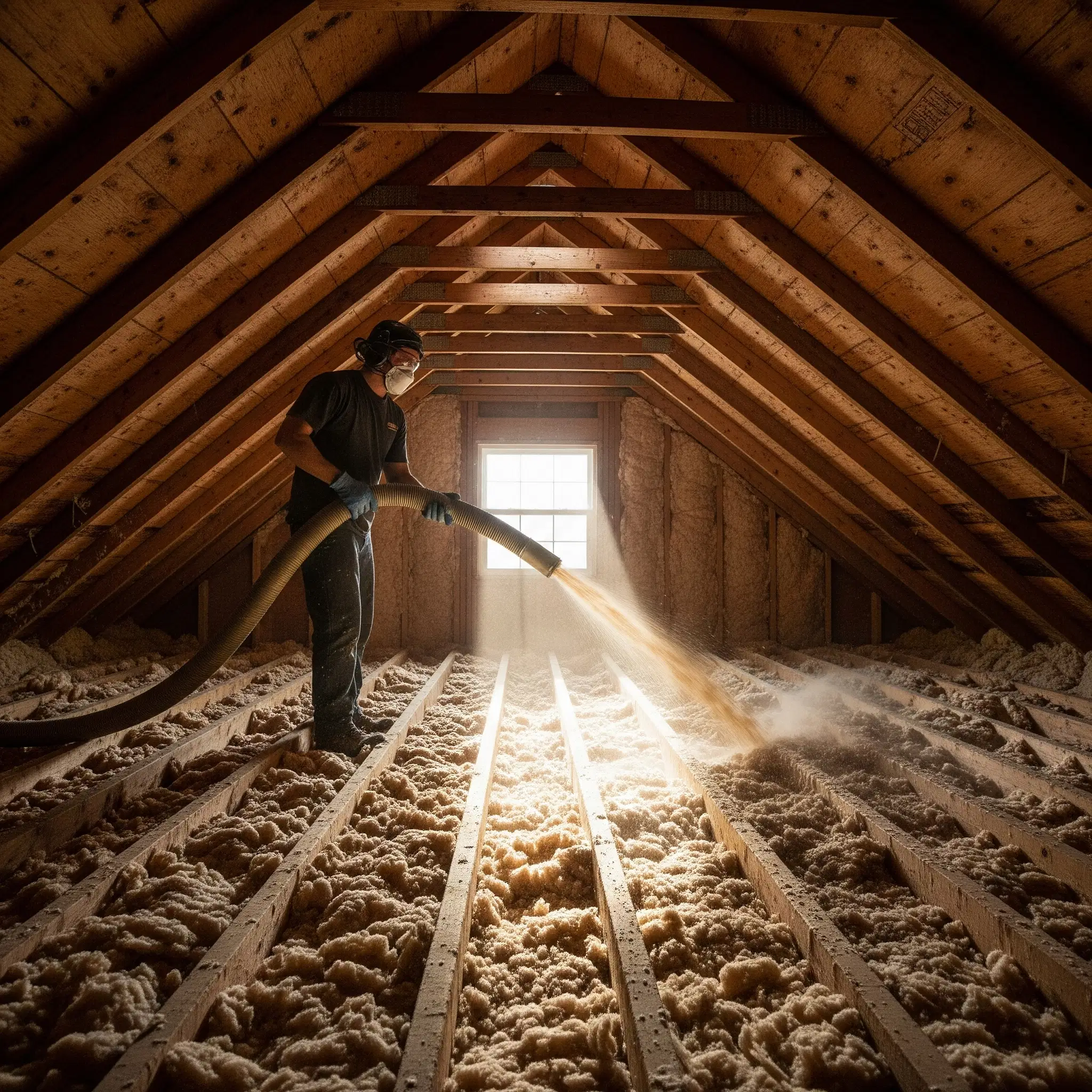
- Boost Your Insulation: If your insulation is below modern standards, now is the time to upgrade. Proper insulation not only prevents ice dams but also improves your home's energy efficiency, saving you money on heating bills all winter long.
- Ensure Gutters are Clean and Clear: While not the cause, clogged gutters trap water and give ice dams a perfect place to start. A thorough cleaning in late fall ensures that any meltwater can drain away freely.
Protect Your Home This Winter with RamZ Roofing
Winter in Ohio should be a time for cozying up indoors, not worrying about what’s happening on your roof. Understanding that ice dams are a sign of heat loss is the first step toward a permanent solution. By focusing on proper insulation and ventilation, you’re not just preventing ice dams—you’re creating a more comfortable, energy-efficient, and secure home.
A healthy roof is a complete system. From the asphalt shingles that form the first line of defense to the insulation and ventilation working behind the scenes, every part matters. Don't wait for a leak to tell you there's a problem.
If you're concerned about your home's readiness for winter, our team at RamZ Roofing is here to help. We provide comprehensive services for residential roofing to homeowners throughout the Coshocton area. Contact us today to schedule a professional roof inspection or to get a free estimate on upgrading your attic insulation. Let's make sure your home is safe and sound this winter.