A Business Owner's Guide to Commercial Roof Maintenance in Ohio
As a business owner, you manage countless moving parts to ensure smooth operations and profitability. Your commercial roof is one of your most significant assets, silently protecting your inventory, equipment, and employees from the elements. However, it's often out of sight and out of mind—until a problem arises. A sudden leak or significant damage can lead to costly operational shutdowns, damaged goods, and emergency repairs that strain your budget. For businesses here in Ohio, where our weather swings from humid summers to freezing winters, proactive roof maintenance isn't just a good idea; it's a crucial business strategy. This guide will walk you through the essentials of a commercial roof maintenance plan, helping you prevent disruptions, protect your investment, and ensure your facility remains secure year-round.
Why Proactive Maintenance is Non-Negotiable
Your commercial roof faces a constant barrage of challenges unique to our region. Intense summer sun can cause materials to degrade, while heavy spring rains test your drainage systems. Most critically, the freeze-thaw cycles of an Ohio winter can wreak havoc. Melting snow can refreeze at the eaves, creating destructive ice dams that force water underneath your roofing membrane. Add in the potential for seasonal hail damage, and it becomes clear that a passive approach is a significant financial risk.
Waiting for a problem to become obvious often means the damage is already extensive and expensive. A proactive maintenance plan transforms unpredictable emergency spending into a manageable, budgeted operational cost. It's about more than just fixing leaks; it's about ensuring business continuity. By regularly inspecting and maintaining your roof, you extend its lifespan, maximize your initial investment, and gain the peace of mind that comes from knowing your property is protected. This commitment to quality and reliability is a cornerstone of a sound operational strategy.
Common Commercial Roof Issues in Wayne County
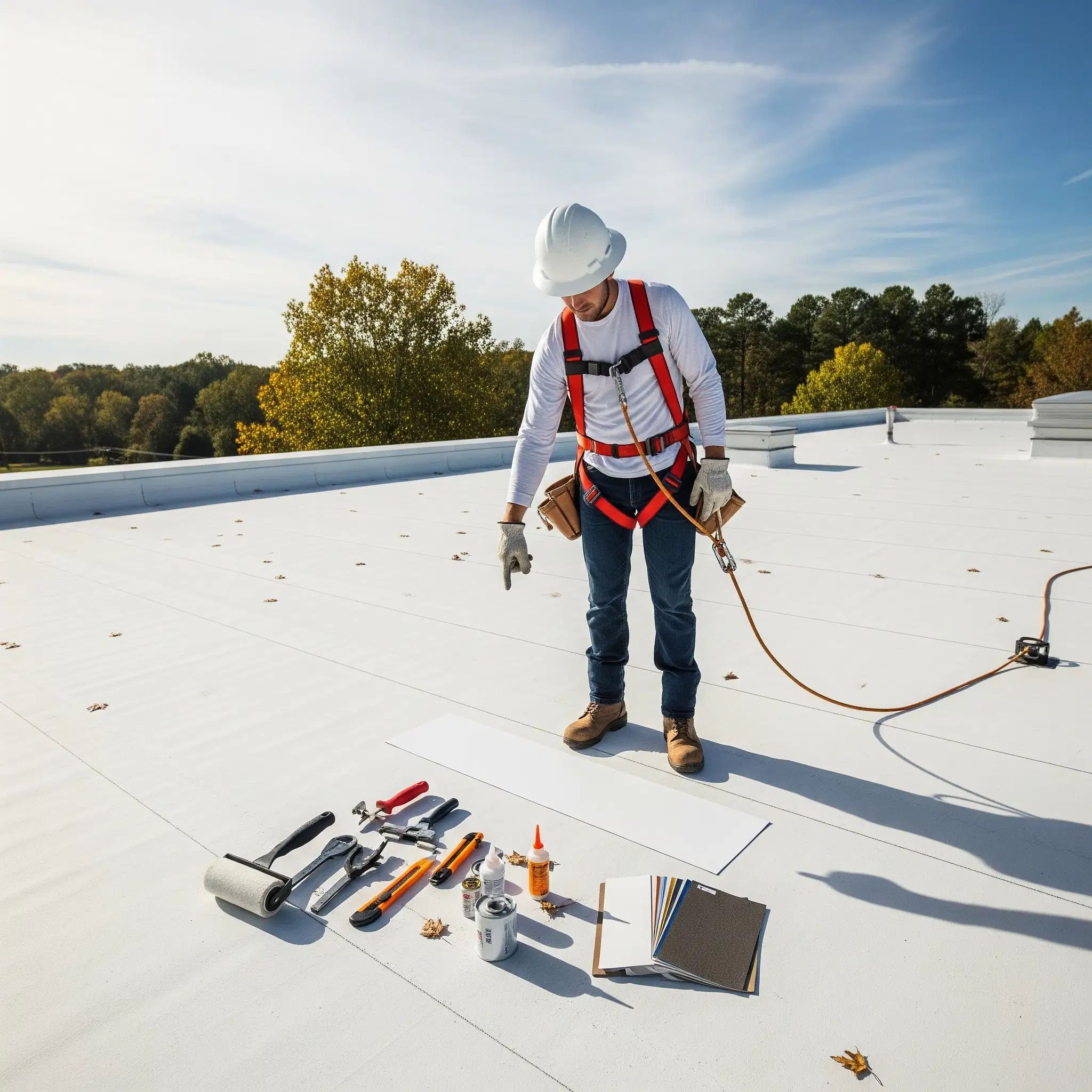
From warehouses to retail storefronts, commercial buildings have unique roofing needs. Most feature low-slope or flat roofs, which are highly effective but require specific attention. Over the years, we've seen a few common issues appear consistently across the area. Being able to spot these early can save you a major headache down the road.
- Ponding Water: After a rainstorm, flat roofs should drain efficiently. If you see pools of water that remain for more than 48 hours, it's a sign of improper drainage or sagging in the roof structure. This standing water accelerates the deterioration of roofing materials.
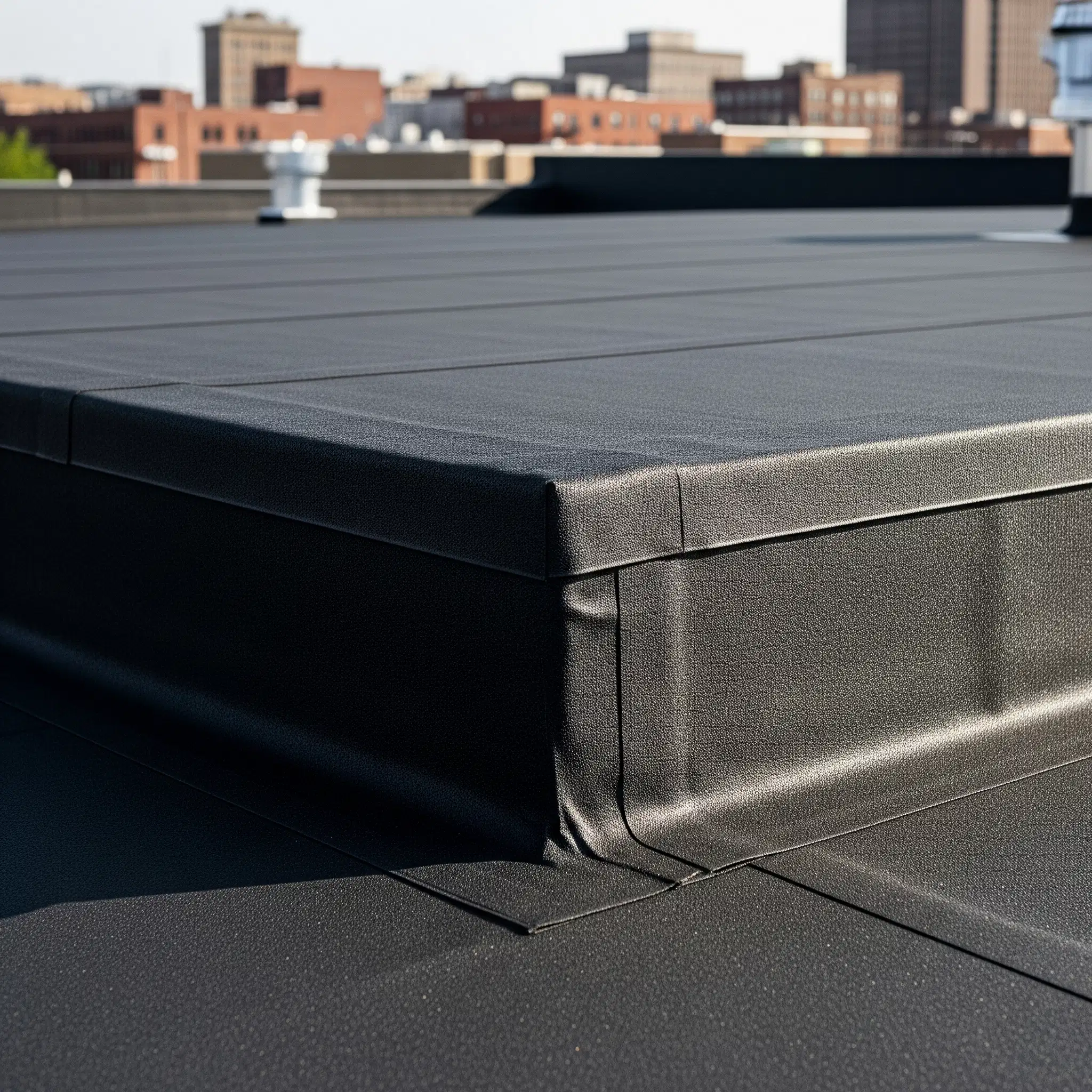
- Membrane Damage: The protective layer of your roof can suffer from punctures, blisters, or cracks over time. For systems like EPDM roofing, seams can sometimes separate. These vulnerabilities are prime entry points for moisture.
- Flashing Failures: The metal seals around rooftop penetrations—like HVAC units, vents, and skylights—are known as flashing. If these seals become damaged or pull away, they create a direct path for water to enter your building.
- Clogged Drains and Gutters: It sounds simple, but leaves, dirt, and other debris can easily clog your roof's drainage system. This is a leading cause of ponding water and can put immense stress on the roof structure, especially during heavy downpours.
An Essential Maintenance Checklist for Your Property
A structured maintenance plan is the most effective way to prevent the problems above. While a professional should always handle in-depth work, facility managers can keep an eye out for key indicators. Here is a practical checklist to guide your maintenance strategy.
- Schedule Professional Inspections (Twice a Year): The cornerstone of any maintenance plan is a semi-annual professional roof inspection. An ideal schedule is in the fall to prepare for winter and in the spring to assess any damage that occurred.
- Keep Drains and Gutters Clear: Ensure all drainage paths are free of leaves, twigs, and other debris. This is especially important after major storms and throughout the autumn.
- Remove Debris from the Roof Surface: Don't let debris accumulate on your roof. It can hold moisture against the membrane and hide developing problems like cracks or punctures.
- Look for Obvious Signs of Damage: After a significant weather event, perform a visual check from the ground or a safe vantage point. Look for loose materials, visible punctures, or areas that look out of place.
- Address Minor Issues Immediately: If you notice a small tear, a loose piece of flashing, or a clogged drain, don't wait. A prompt and professional roof repair can prevent a minor issue from escalating into a full-blown crisis that disrupts your business.
Protect Your Investment with RamZ Roofing
Your commercial roof is too important to leave to chance. A consistent, professional maintenance program is one of the smartest investments you can make in your property. It extends the life of your roof, prevents costly interruptions to your business, helps you manage your budget more effectively, and ultimately protects your bottom line.
At RamZ Roofing, we specialize in comprehensive commercial roofing services for business owners throughout the Wooster area. We understand the unique challenges our local weather presents and are dedicated to providing reliable, long-term solutions. Don't wait for a small drip to become a major disaster. Let our experienced team help you create a proactive maintenance plan tailored to your property's specific needs.
Ready to secure your business? Contact us today to schedule a professional roof inspection and learn how we can help you protect your investment for years to come.